Heat Sources for Heat Pumps
What Are Heat Sources in Heat Pump Systems?
A heat source is the place where a heat pump gets its energy from. Instead of creating heat by burning fuel, a heat pump takes existing heat from the environment and moves it into a building.
This environmental heat can come from:
- Outdoor Air
- The Ground
- Water Sources
- Waste Heat from Technical Systems
The heat source is always outside the building and acts as the starting point of the heating process.
Based on your location, space availability, and building type, different heat pumps are available based on heat sources.
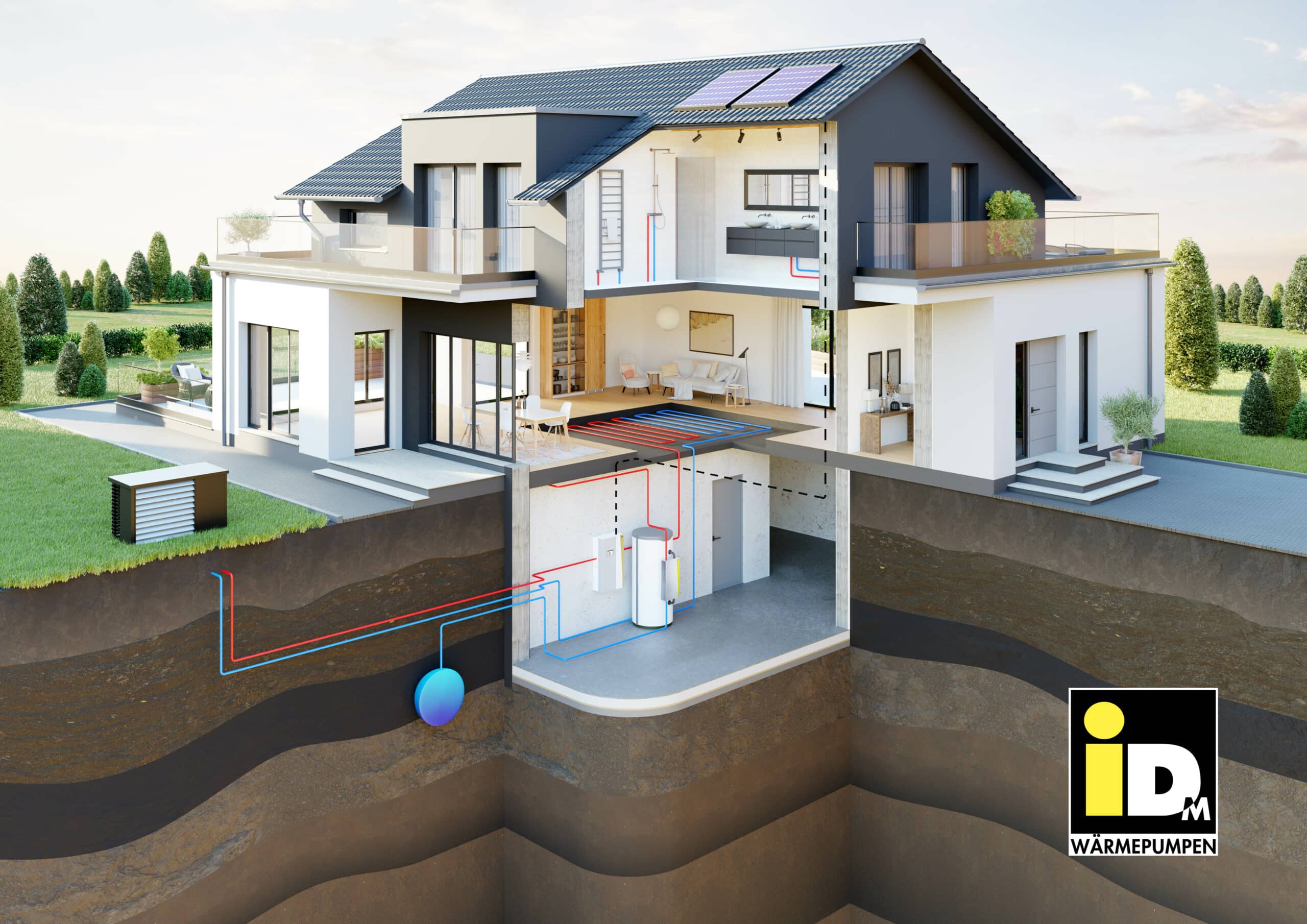

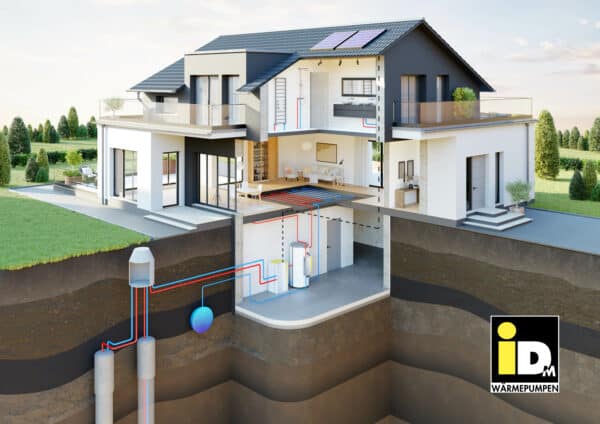
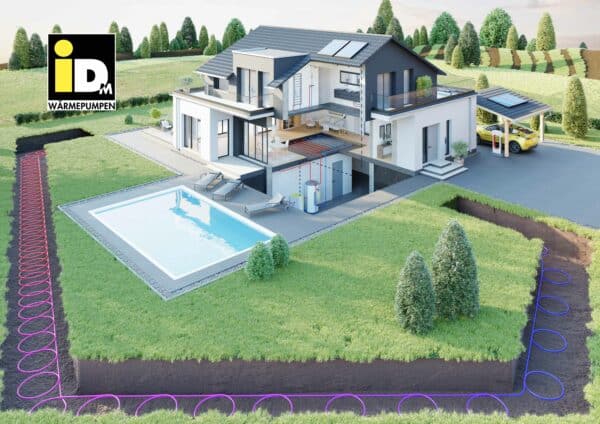


Flat Collector (Ground)
Flat collectors use shallow ground layers as a heat source. Horizontal pipe loops are installed below the surface to absorb stored solar and environmental heat from the soil.
The collector area must remain open and unsealed so the ground can regenerate heat naturally through sunlight and moisture.
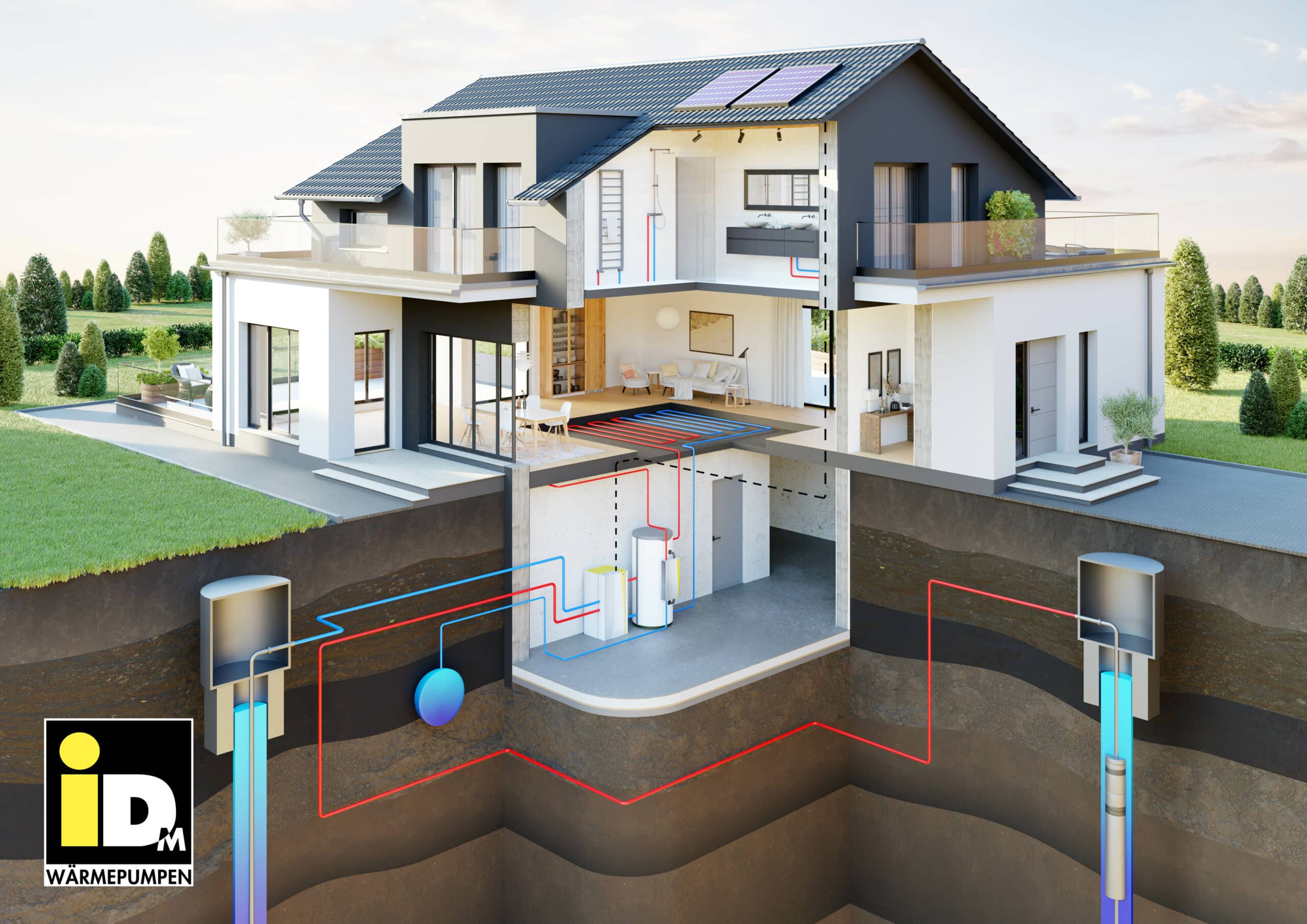

Water (Groundwater)
Groundwater heat pumps use underground water layers as a stable heat source. Thermal energy is extracted via a production well and returned to the aquifer through a reinjection well.
Because groundwater temperatures remain relatively constant year-round, this heat source provides highly stable operating conditions.
Why Heat Sources Matter
The heat source determines where the heat pump collects energy before sending it into your heating system.
It influences:
- How much heat is available
- How stable the temperature is throughout the year
- How the system behaves in different seasons
The heat source affects how the system interacts with the environment, not how the heat pump works internally.
The basic working principle stays the same, only the place where the heat is taken from changes.
How Heat Sources Are Classified
Heat pumps can be grouped in many ways. One of the most important ways is by heat source type.
This classification simply answers one question:
i.e. “Where does the heat come from?”
It does not describe:
- How the heat pump is built
- How it is installed
- How efficient it is
- What type of building it is used in
Those topics are covered on separate pages.
Main Heat Source Types for Heat Pumps
Air as a Heat Source
Air-source systems take heat from the outdoor air. Even cold air contains usable thermal energy.
This is the most common heat source because outdoor air is available almost everywhere.
LEARN MORE: Air Heat Source
Ground as a Heat Source
Ground-source systems collect heat stored in soil and rock layers below the surface.
The ground temperature stays relatively stable throughout the year, which provides consistent heat supply.
LEARN MORE: Ground Heat Source
Water as a Heat Source
Water-source systems use water bodies such as groundwater, lakes, or rivers as energy sources.
Water can store large amounts of heat and often offers stable operating conditions.
LEAR MORE: Water Heat Source
Waste Heat as a Heat Source
Waste heat systems recover unused heat from industrial processes, ventilation systems, or technical infrastructure.
Instead of letting this heat escape, it is reused for heating purposes.
LEARN MORE: Waste Heat Sources
Heat Source vs Heat Pump Technology
Heat source describes where the heat comes from. Heat pump technology describes how the heat is transferred.
No matter which heat source is used, all heat pumps rely on the same physical working principle. Changing the heat source changes the energy supply location — not the core heat pump technology.
If you want to understand how heat pumps work internally, see:
Heat Sources and Heat Pump Types
Heat pump systems are often described using multiple characteristics at the same time. These include:
- Heat source type
- System design (for example split or monoblock)
- Temperature range
- Application area
Heat source pages explain only the origin of environmental heat. Combined system classifications are covered on the heat pump types pages.
How Heat Sources Fit Into the Heating System
From a system perspective:
- The heat source is outside the building
- The heat pump collects and upgrades heat
- Distribution systems deliver heat inside the building
This separation allows the same heat pump technology to work with different heat sources without changing how the system fundamentally operates.
Heat sources define where a heat pump collects its energy from. Common heat sources include outdoor air, the ground, water, and recovered waste heat. The heat source affects how the system interacts with the environment but does not change how the heat pump works internally. Understanding heat sources helps explain how heat pumps use environmental energy for heating and cooling.